

SHADE
A spatial intelligence system for regulated, real-world decision-making.
Case Study

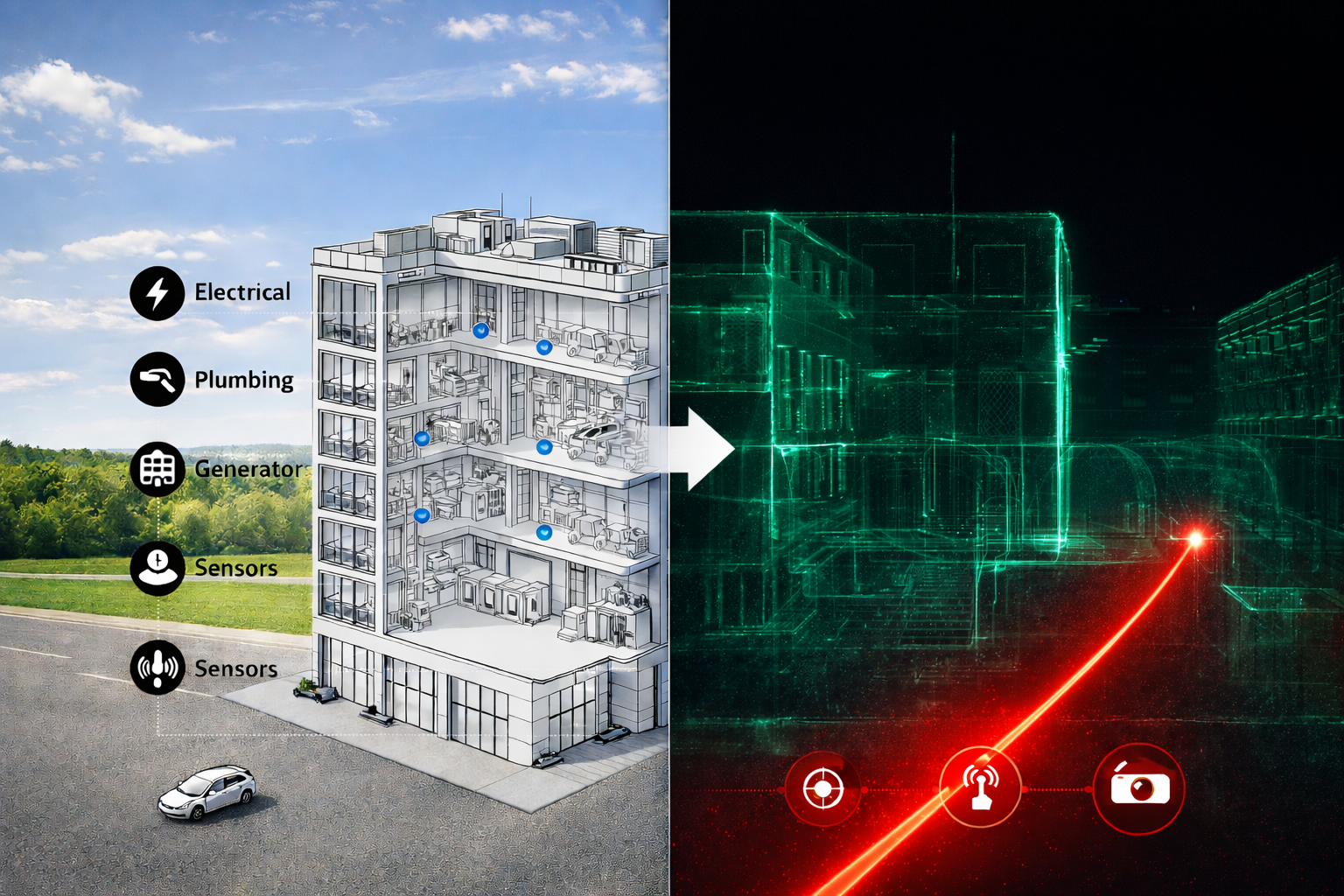
Stellar SHADE is an enterprise platform that combines laser scanning, IoT sensors, and immersive VR to give construction, facilities, and maintenance teams real-time visibility into infrastructure hidden behind walls.
I served as the Design Lead and Experience Architect, responsible for:
- Defining the end-to-end UX strategy
- Designing the application architecture across mobile, tablet, and VR
- Translating complex physical environments into intuitive digital systems
- Leading client-facing design presentations and validation
-
This work required aligning hardware constraints, spatial data, and human workflows into a cohesive, scalable experience.
Industry
Construction & Building Maintenance
Timeline
2020
Client
Stellar
MY ROLE
UX Design Lead
Services
PRODUCT DESIGN
Spatial VR DESIGN
USER RESEARCH & MODERATED TESTING
INTERACTIVE PROTOTYPING
Problem Space & Business Opportunity
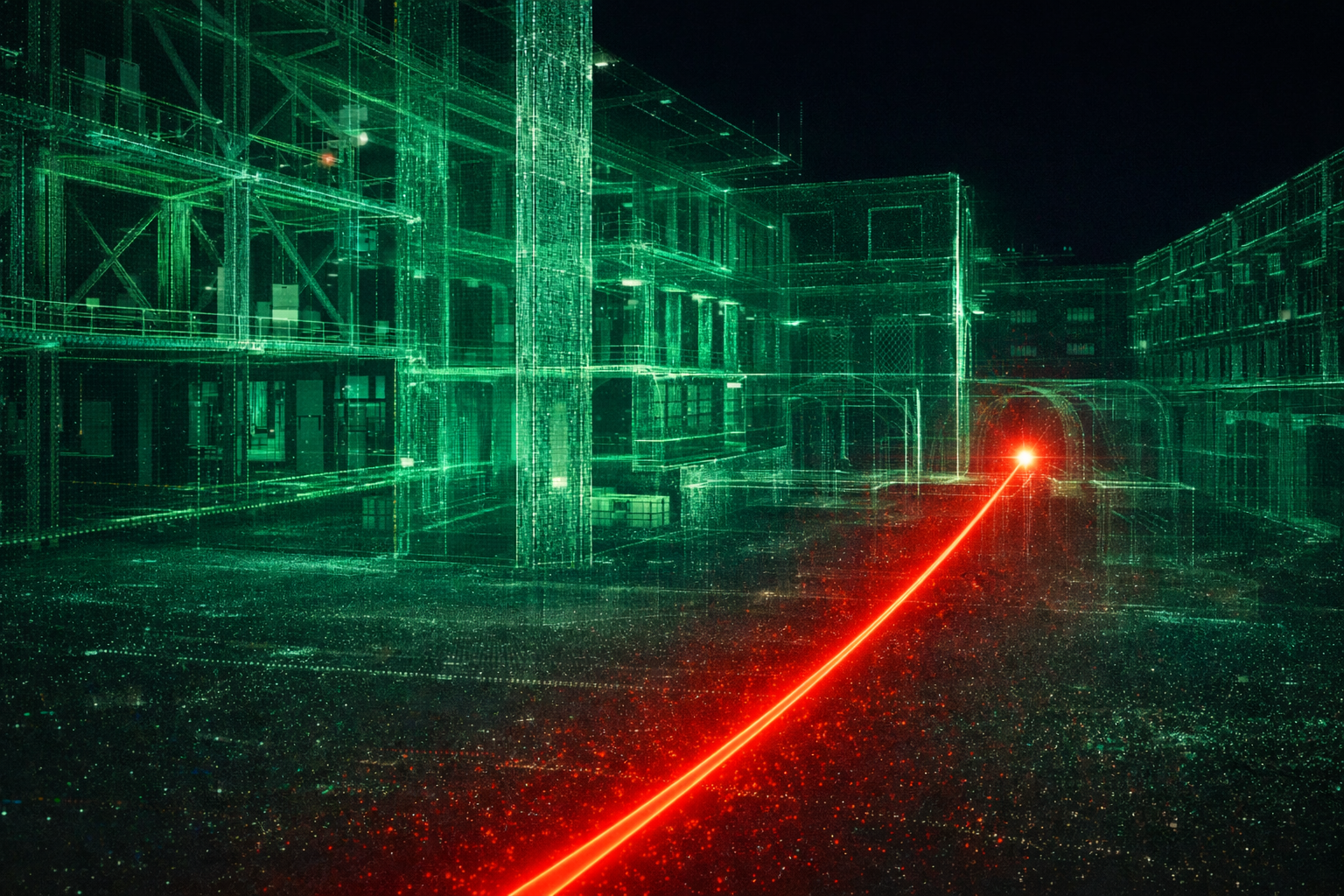
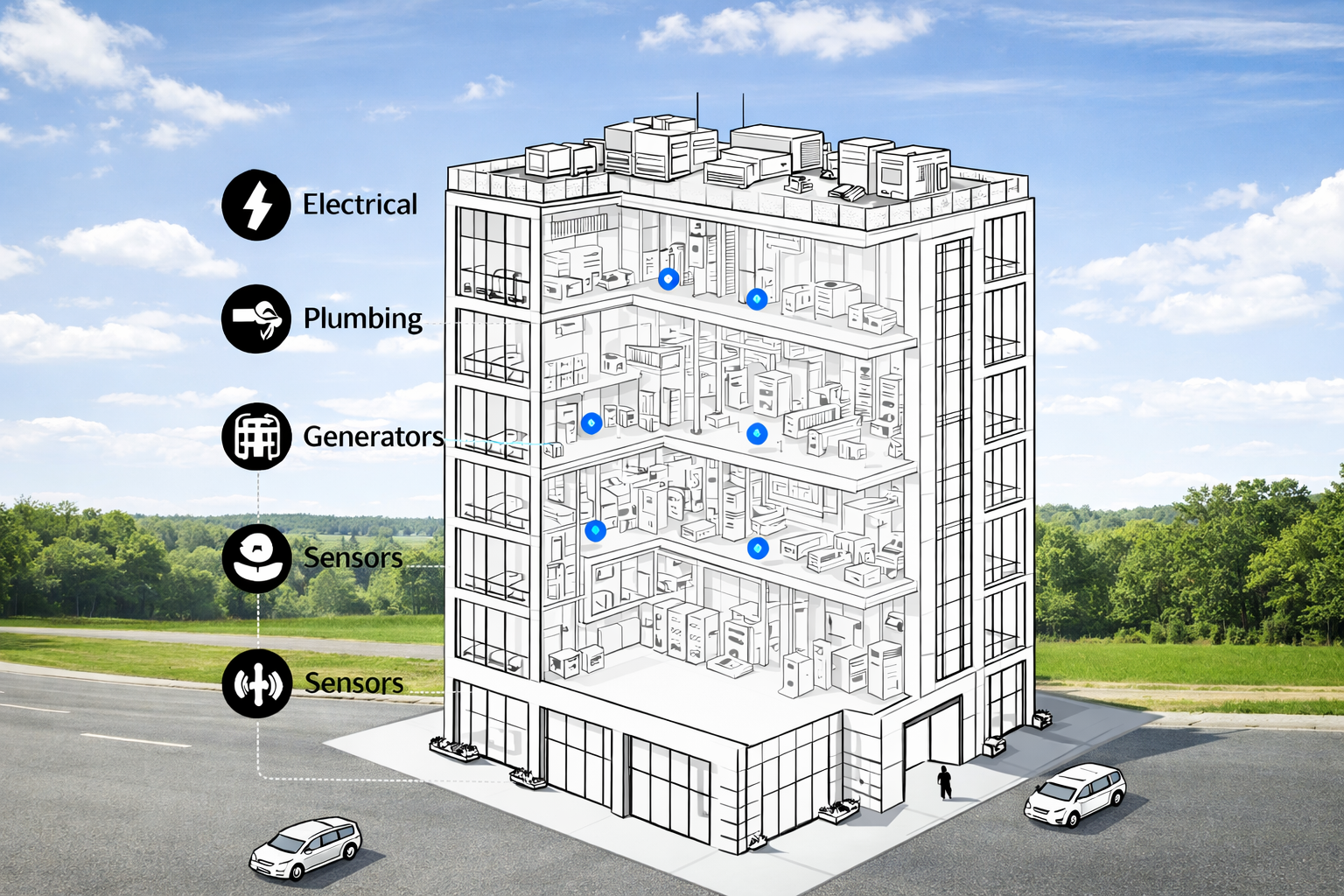
Stellar approached us with a patented laser-scanning technology capable of detecting sensors, wiring, plumbing, and structural elements behind walls—but no clear product experience to make the data usable in the field.
The challenge was not visualization alone but functional for multiple roles and environments.
The real problem was decision-making under physical and environmental constraints:
- Users work on active construction sites
- Accuracy must be precise down to inches
- Errors can lead to costly rework or safety risks
- Users span builders, engineers, and maintenance teams with very different mental models
Our task was to design a system that allowed users to see, understand, and act on invisible infrastructure—without cognitive overload.
Executive Summary & Role
Stellar SHADE is an enterprise platform that combines laser scanning, IoT sensors, and immersive VR to give construction, facilities, and maintenance teams real-time visibility into infrastructure hidden behind walls.
I served as the Design Lead and Experience Architect, responsible for:
- Defining the end-to-end UX strategy
- Designing the application architecture across mobile, tablet, and VR
- Translating complex physical environments into intuitive digital systems
- Leading client-facing design presentations and validation
This work required aligning hardware constraints, spatial data, and human workflows into a cohesive, scalable experience.
User Personas and System Flows
User Research & Behavioral Segmentation
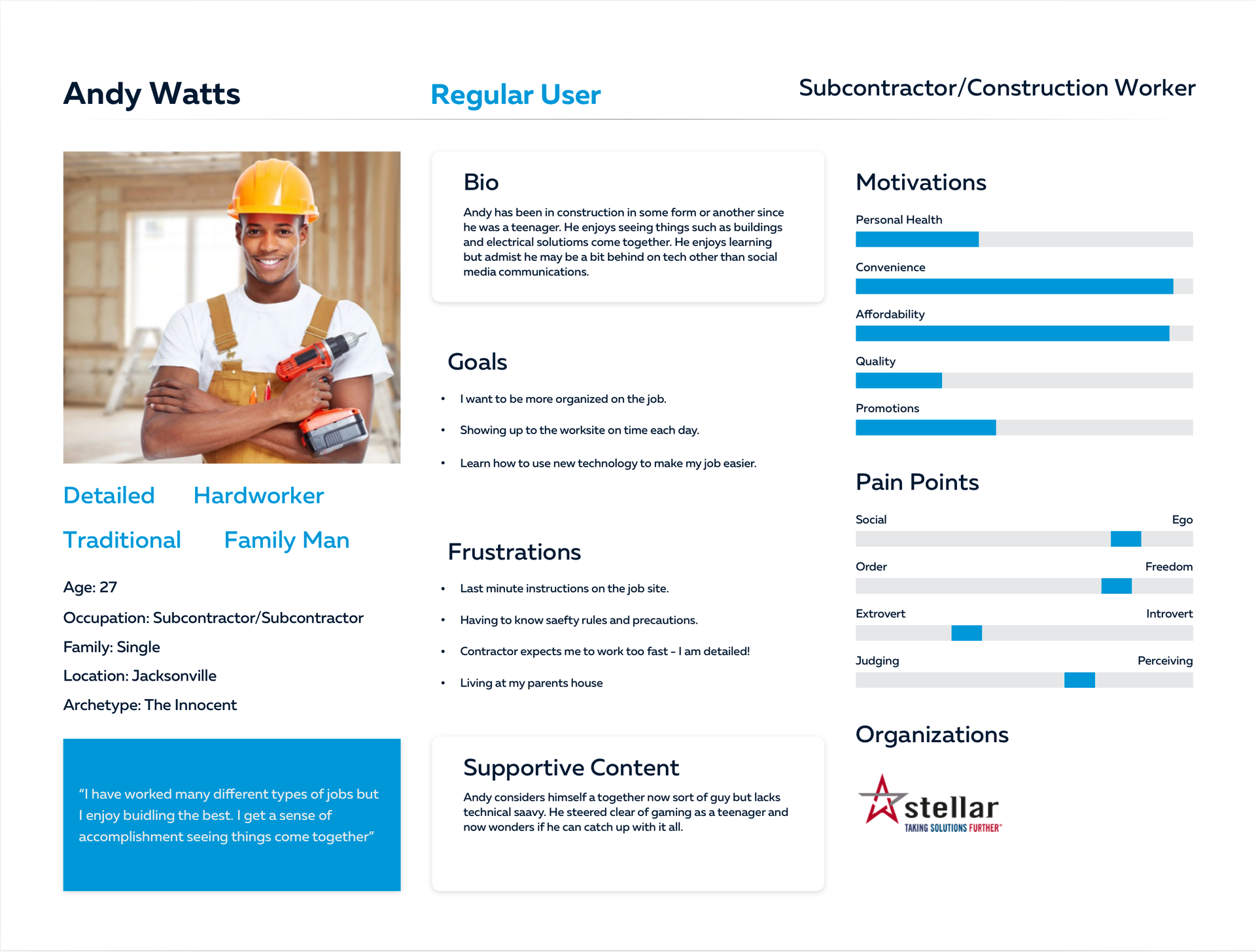
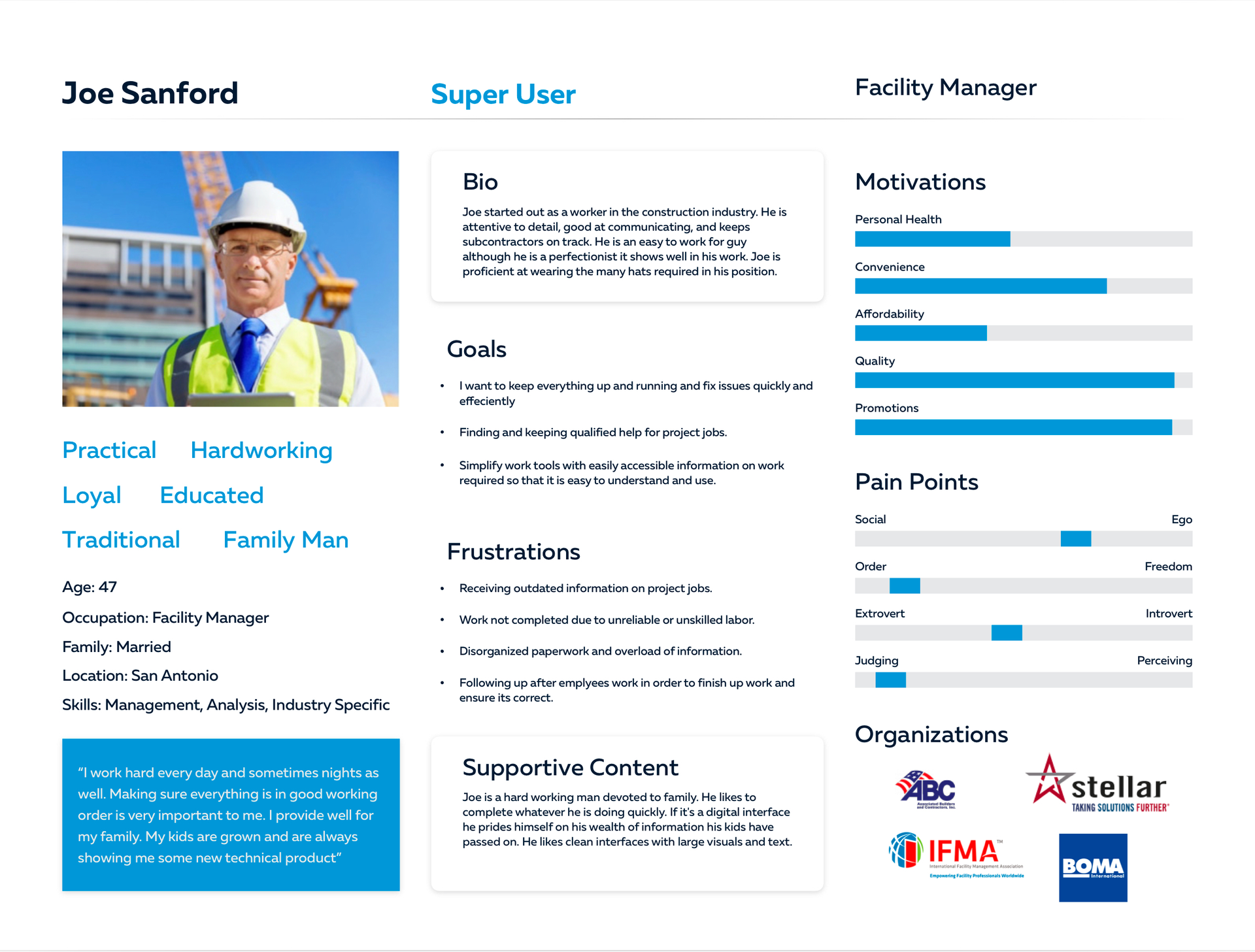
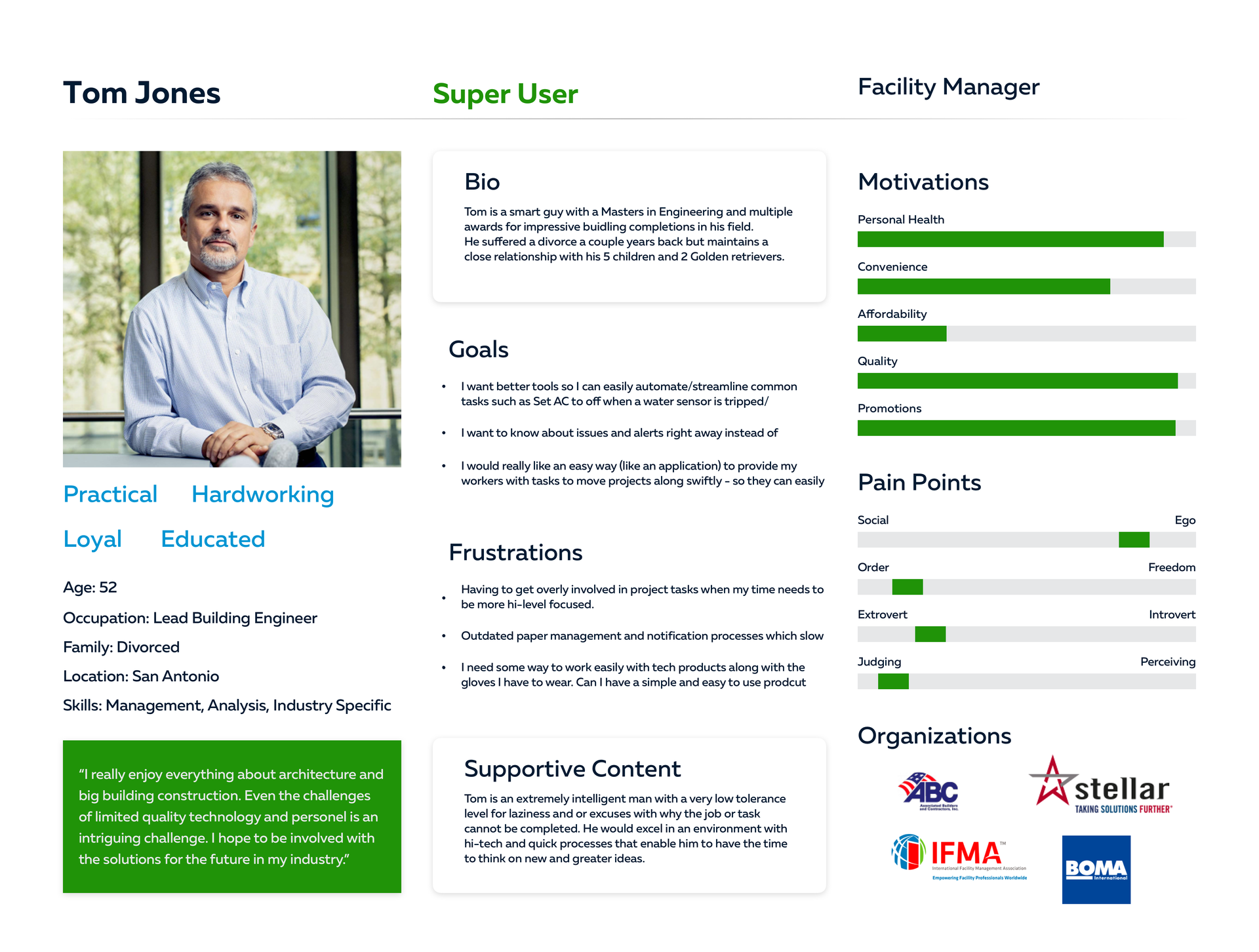
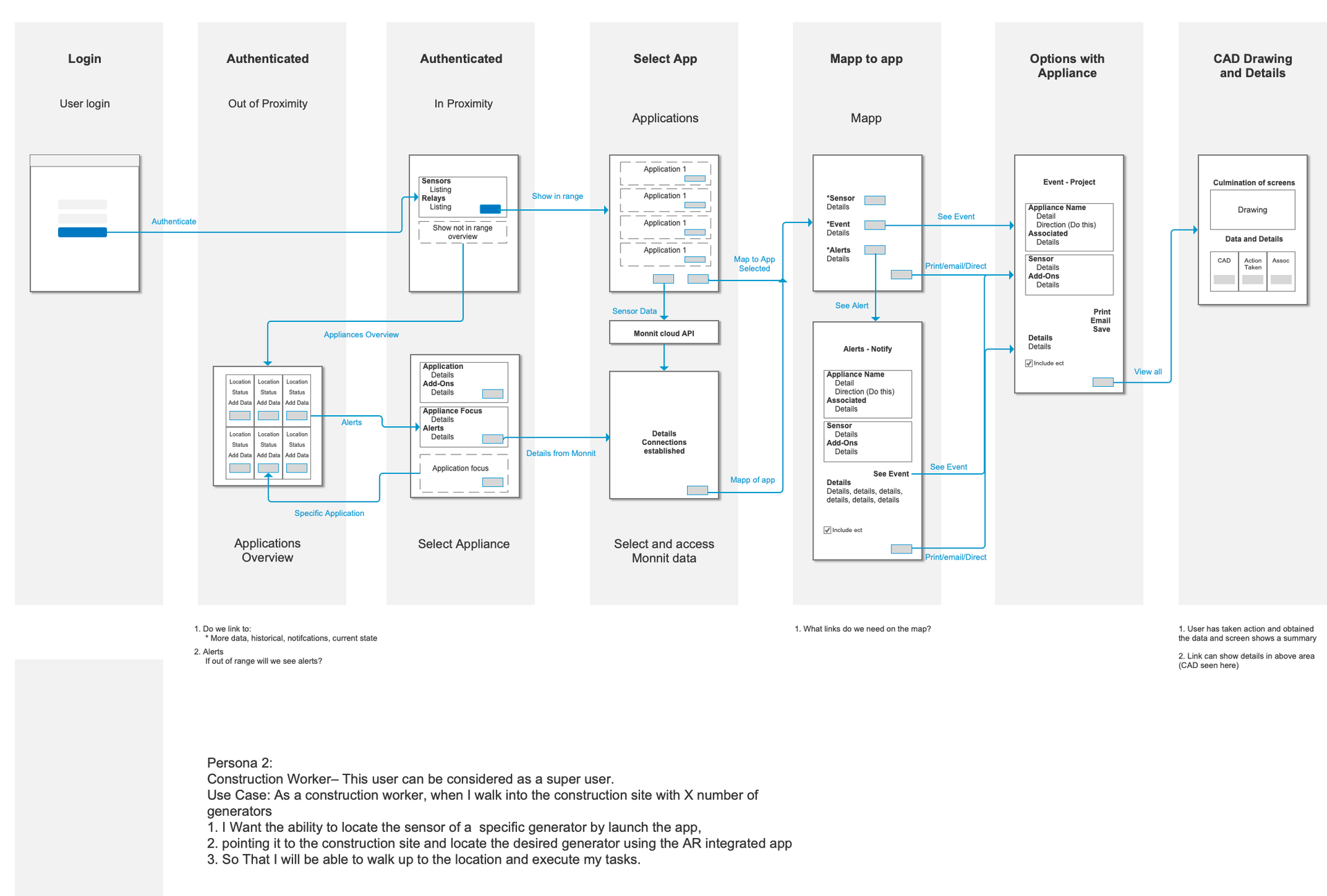
We identified three primary user archetypes, each interacting with the system under different physical, cognitive, and environmental conditions:
- Facility Managers needed high-level visibility across multiple sites
- Engineers required precision data and system diagnostics
- Construction & Maintenance Workers needed fast, clear guidance in noisy, time-sensitive environments
Rather than designing “one interface,” we mapped role-based needs, tolerances for complexity, and environmental constraints to inform interaction models across devices.
This segmentation directly influenced:
- Navigation depth
- Data density
- Alerting behavior
- VR interaction patterns
Saving time in setting critical utilities
Easier alignment with compliance and regulations
Reduced risk of critical maintenance issues
About us
Focusing first on what's important...
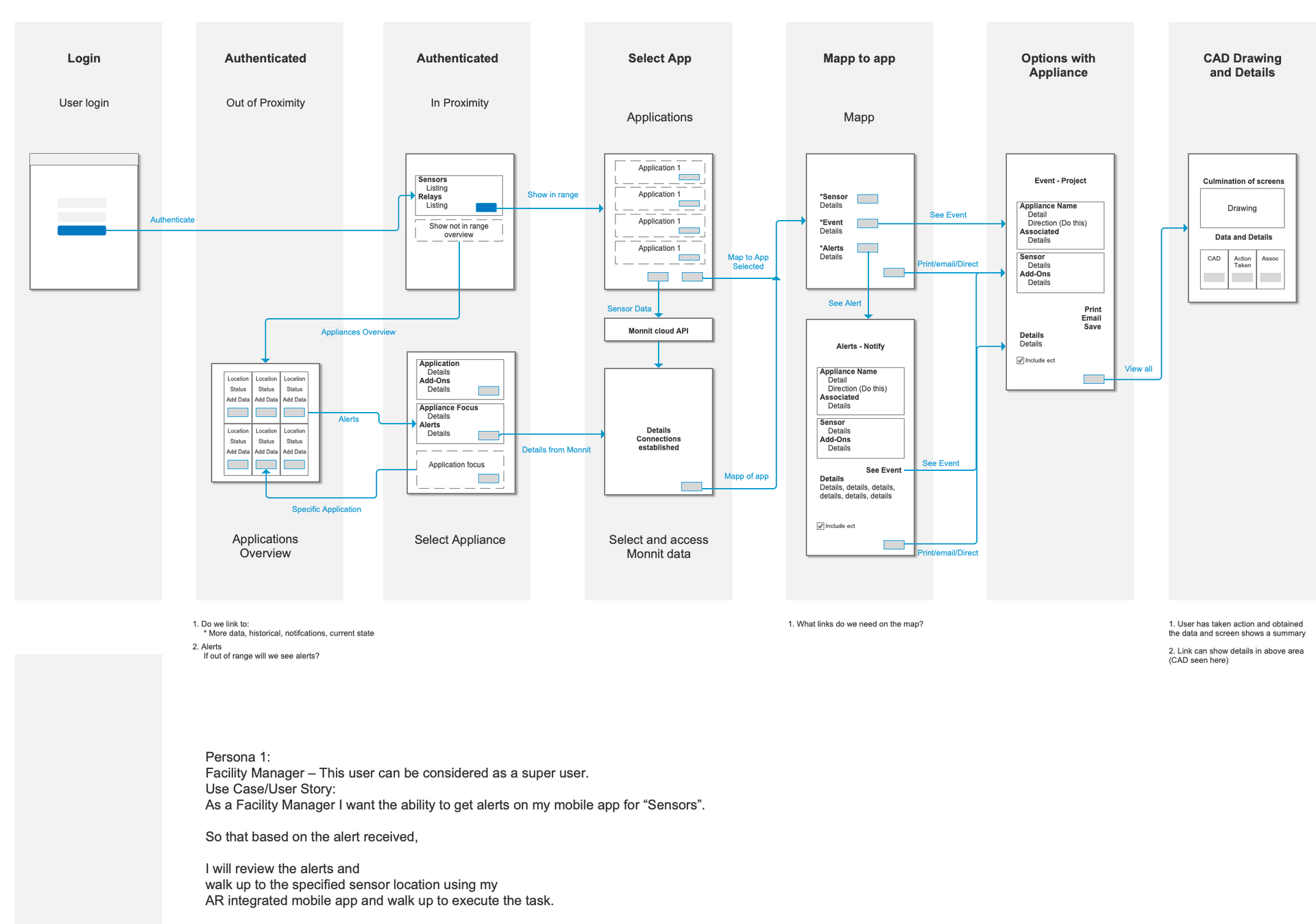
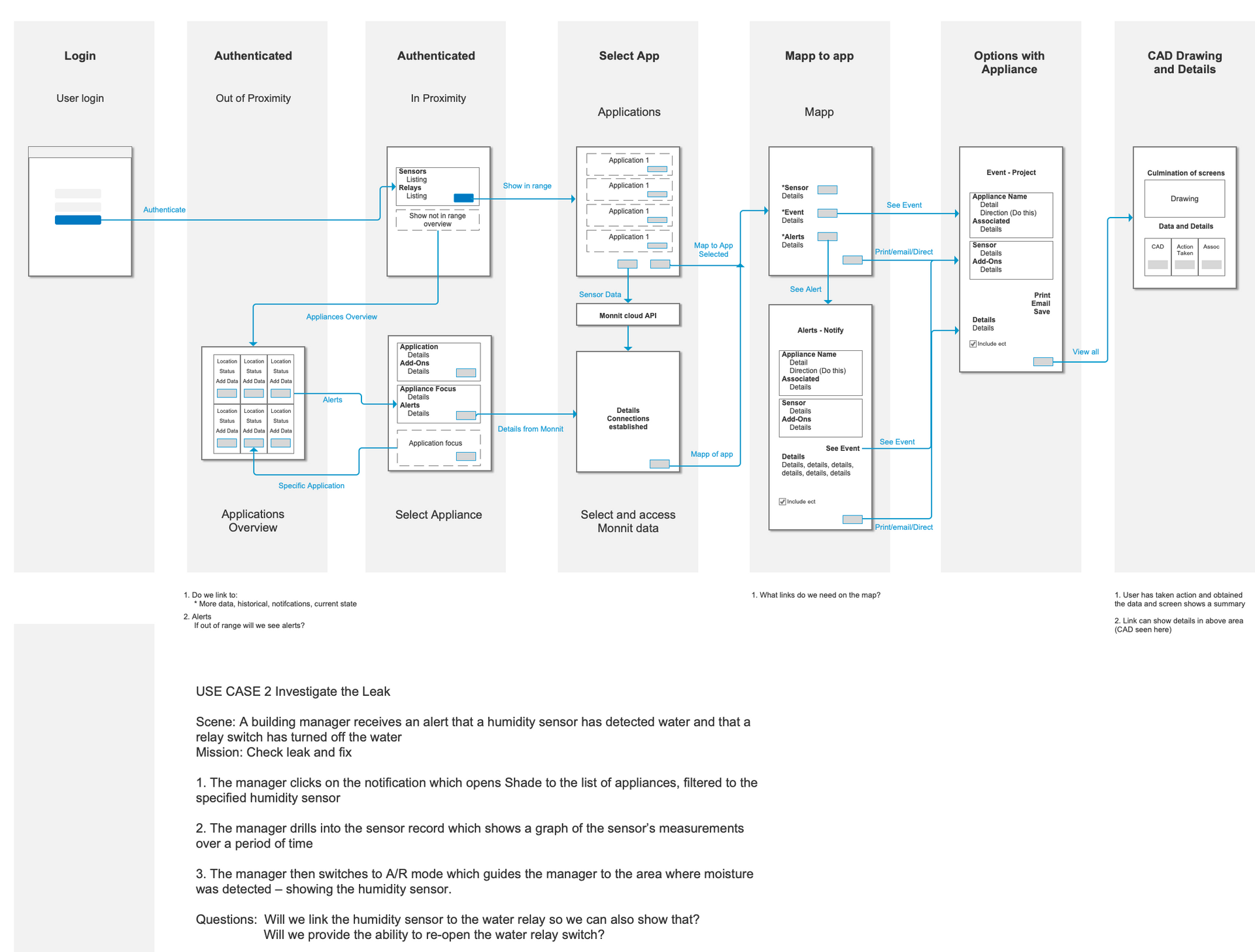
We noted the critical paths and discovered where there were high-risk decisions. Technology and integration with back office operations proved challenging to bring "live" decisions or actions were cross-device transitionsmay also be needed.
Given the complexity of the ecosystem, I focused first on experience architecture before UI execution.
We mapped the full system from:
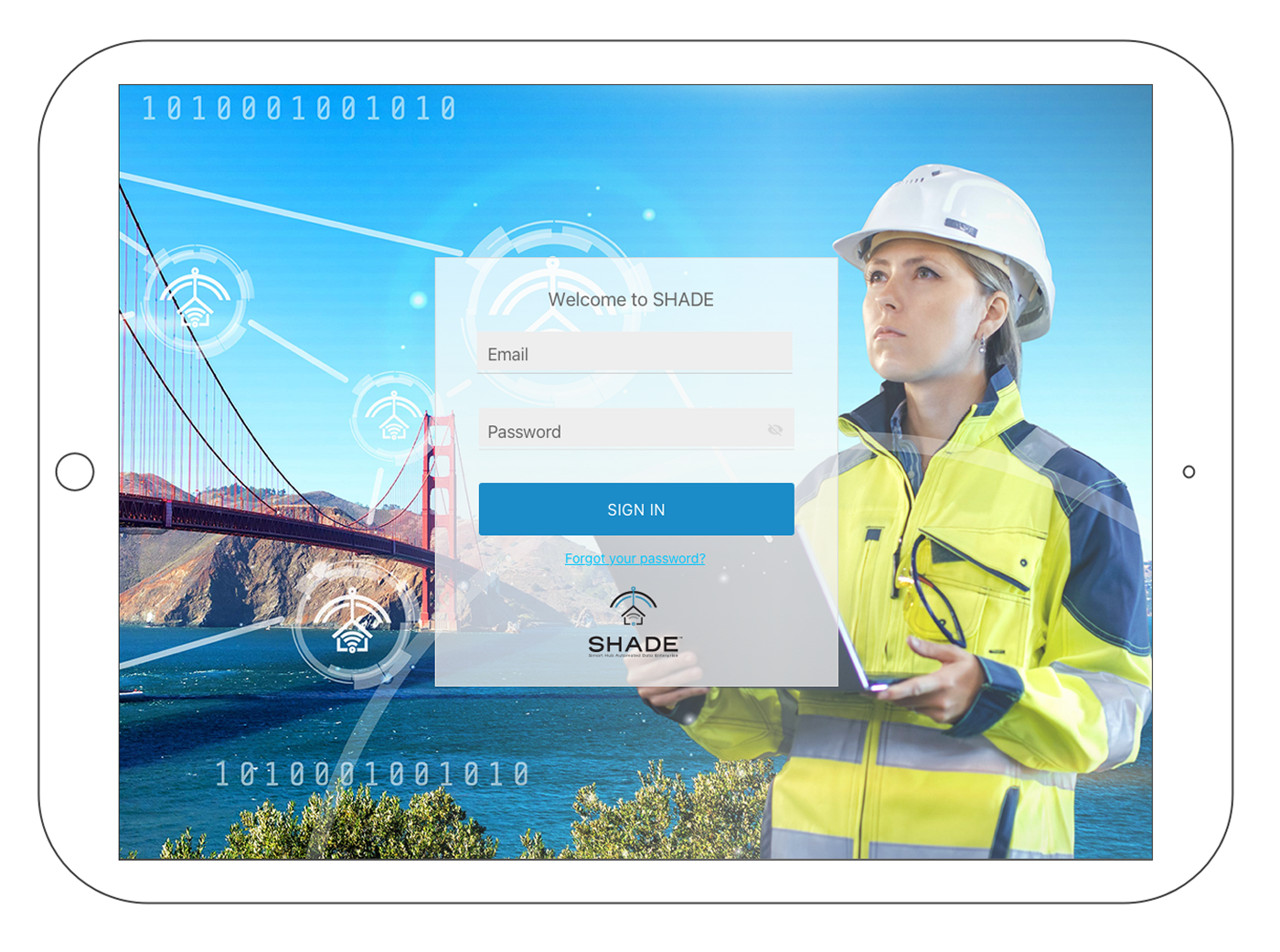
- Authentication
- Site selection
- Sensor access
- Data visualization
- Alerts and diagnostics
- VR interactions
- Physical-world alignment
This allowed us to:
- Reduce unnecessary steps in critical workflows
- Maintain consistency across mobile, tablet, and VR
- Ensure users could transition between environments without re-learning the system
The architecture served as the backbone for all subsequent design decisions.
Core Product Solution
It was such a fun project. Spatial experience required a whole new all encompassing user need.
Core Product UI (Dark Mode / Monitoring)
The core interface was designed to support continuous monitoring and rapid anomaly detection.
Key UX decisions included:
- Dark-mode-first UI to reduce eye strain in low-light environments
- Radar-style visualizations to support spatial awareness
- Progressive disclosure of data to prevent overload
- Clear alert prioritization tied to risk and urgency
The goal was not visual sophistication, but operational clarity—allowing users to understand system health at a glance and drill into details only when needed.
Device Setup, VR Interaction, Sensor detection and logging
One of the most complex challenges was onboarding users into a mixed physical–digital workflow.
We designed a guided setup experience that:
- Minimized configuration errors
- Used QR scanning for fast device pairing
- Provided clear physical orientation cues
- Reduced reliance on training or documentation
In VR, interactions were intentionally constrained to avoid fatigue and confusion, prioritizing
orientation, confirmation, and clarity over novelty.
User flows were fluid as long as the technology worked
- Technological challenges keeping the device connected
- Technological challenges identifying certain sensors with added challenge of extremely difficult access to hidden sensors
- High overhead was found to initiate the utilization of the unit
We created something unique and cool - ahead of it's time...
Slide Title
Slide description
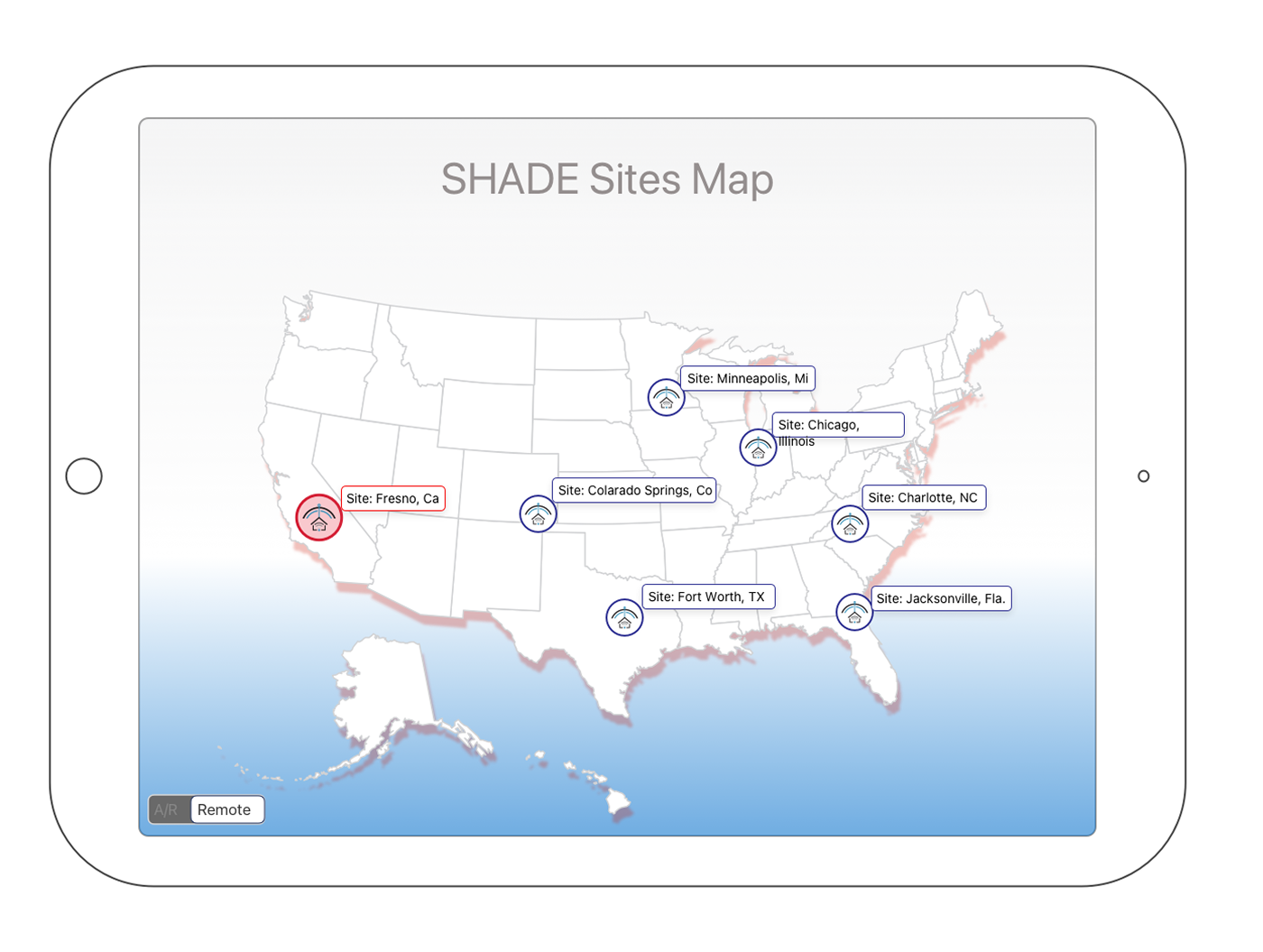
Slide Title
Slide description
Slide Title
Slide description
Human and system decisions
You get us...
Ceo Stellar
At our kick-off meeting I had prepared user flows following research on the product, company and environment and after showing the presentation the client turned around and said well I guess we don't need these which was his packet of information to help us understand what they want and need created.
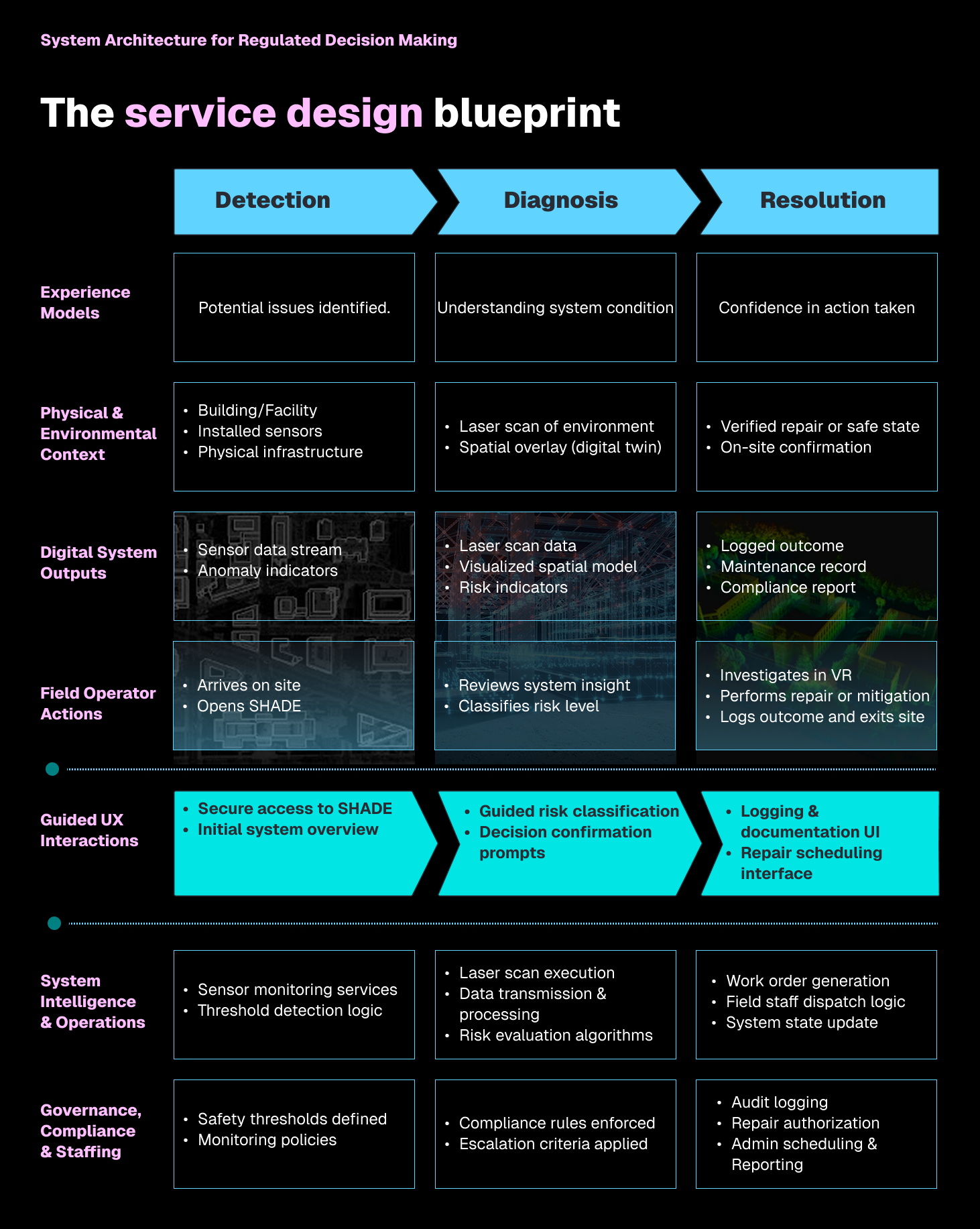
In regulated environments, insight alone is not enough — actions must be coordinated, authorized, and auditable.
Providing the service blueprint illustrates how SHADE orchestrates decisions across field operators, digital systems, and governance layers to ensure safety, compliance, and accountability at every step.
Impact, Leadership & Outcomes
Every experience is unique
As Design Lead, I worked closely with stakeholders to translate a highly technical invention into a cohesive, market-ready product experience.
Key outcomes:
- Enabled stakeholders to immediately grasp the product vision
- Accelerated alignment between engineering, product, and sales
- Delivered a scalable UX foundation across devices and environments
-
The success of the visual and architectural clarity was reflected when client stakeholders stated they “already got it” during design reviews—allowing conversations to shift from what it is to how to deploy it.